

 English
 Español
 日本語
日本語 عربى
عربى русский
-
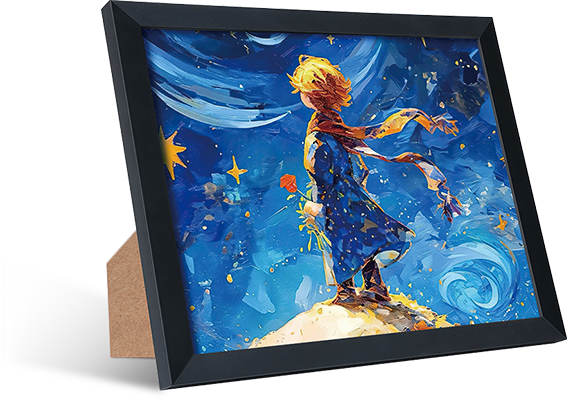
PVC Picture Frame
Sold by brand JinHuan
-
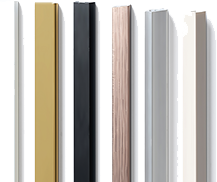
PVC Moulding
Sold by brand JinHuan
-
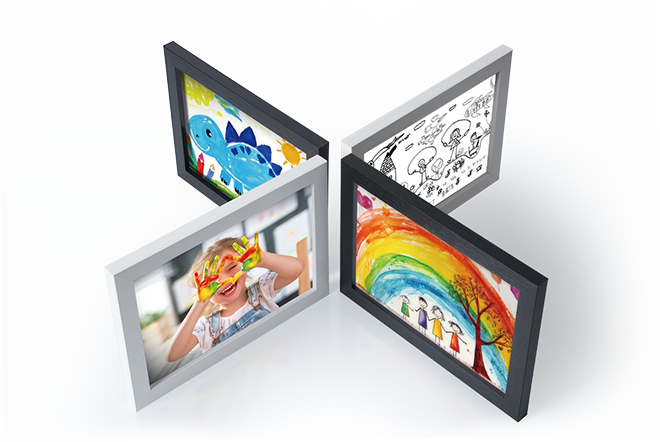
MDF Picture Frame
Sold by brand JinHuan
-
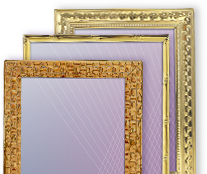
Iron Photo Frame
Sold by brand JinHuan
-
Plastic Injection Frame
Sold by brand JinHuan

-
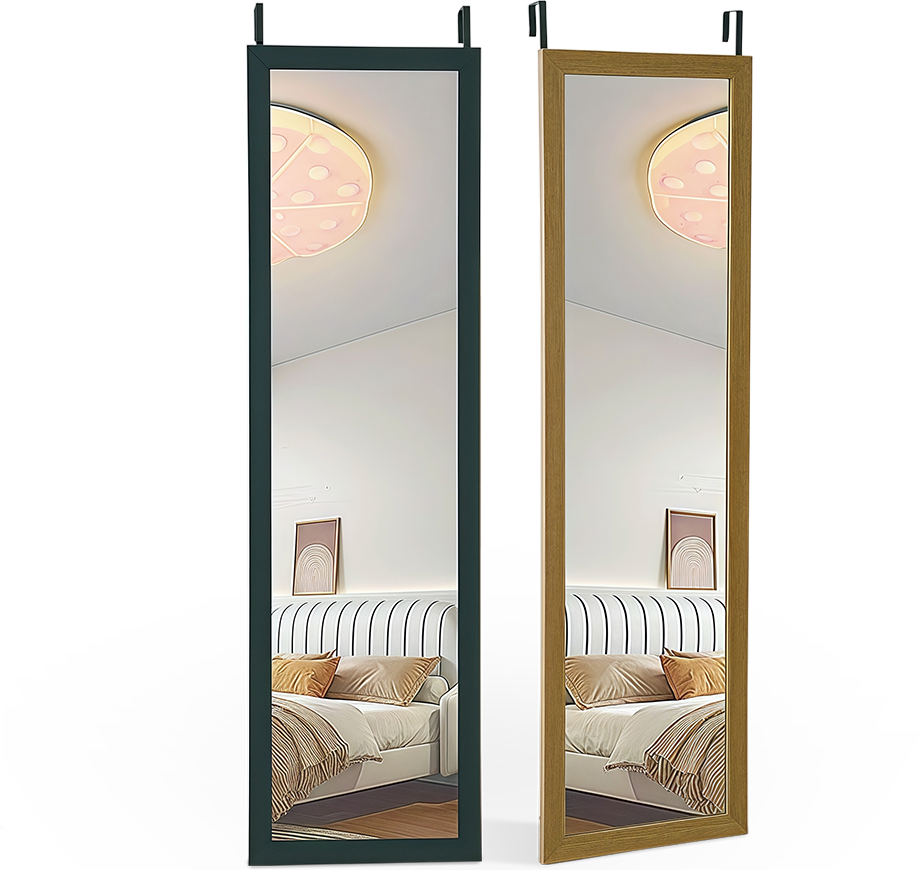
Mirror
Sold by brand JinHuan
-
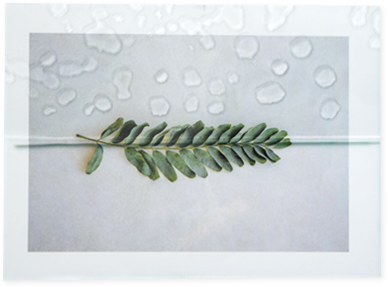
Glass Picture Frame
Sold by brand JinHuan
-
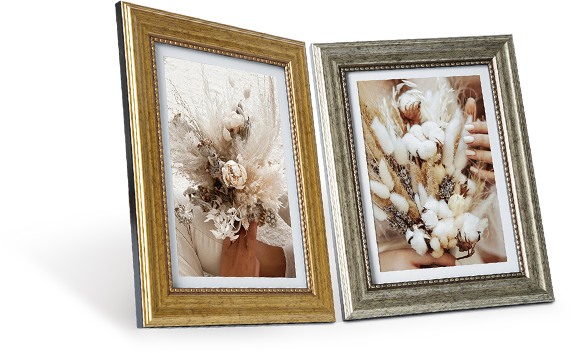
PS Picture Frame
Sold by brand JinHuan
-
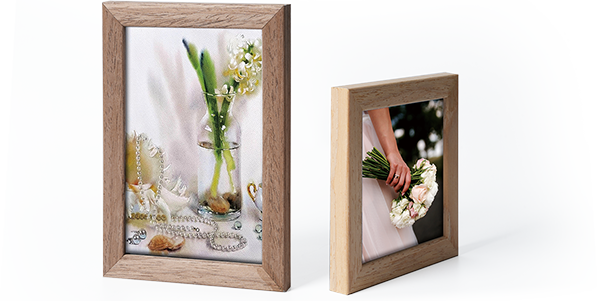
Solid Wood Picture Frame
Sold by brand JinHuan
-
Aluminum Alloy Picture Frame.
Sold by brand JinHuan
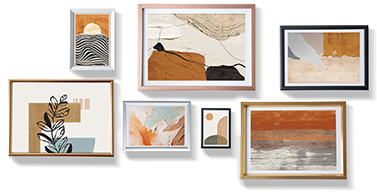
The Affordable Alternative: Understanding PVC Photo Frames

Jinhuan's professional manufacturing solutions empower your premium product production.
1. What are the main advantages of choosing a PVC photo frame over wood or metal?
PVC frames have gained popularity due to several practical advantages that make them suitable for specific applications and budgets. Understanding these benefits helps in determining when a PVC frame is the appropriate choice.
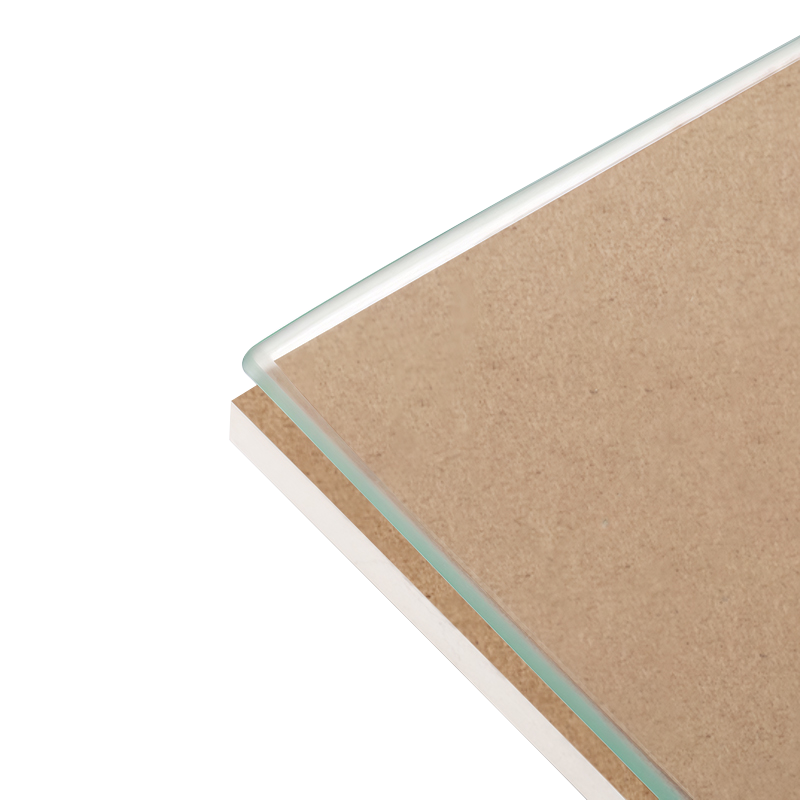
Cost-Effectiveness: The primary advantage of PVC frames is their lower cost compared to wood or metal. PVC is an inexpensive material to produce, and the extrusion process used to create the moldings is highly efficient. This makes PVC frames an accessible option for displaying large quantities of photos, creating gallery walls on a budget, or for temporary displays where the frame is not expected to last for decades.
Lightweight Construction: PVC is significantly less dense than wood or metal. A PVC frame is easy to handle, hang, and transport. This is particularly beneficial for large frames, which in wood would be heavy and cumbersome. The light weight also reduces stress on wall anchors and makes it easier to reposition frames without assistance.
Moisture Resistance: Unlike wood, which can absorb moisture, swell, and warp, PVC is inherently resistant to moisture. This makes PVC frames a practical choice for environments with higher humidity, such as bathrooms, kitchens, or basements, where a wood frame might deteriorate over time. The material does not rot or provide a food source for mold and mildew.
Durability and Impact Resistance: PVC is a resilient material that resists dents and scratches better than some softer woods or MDF (medium-density fiberboard). It does not chip or crack as easily as some materials if accidentally knocked. This durability makes it a good choice for children's rooms, dormitories, or high-traffic areas where frames may be subject to more handling.
Consistency and Stability: As a manufactured material, PVC is uniform and does not have the knots, grain variations, or natural imperfections found in wood. It will not expand or contract significantly with changes in humidity, providing dimensional stability that helps keep the corners tight and the glass secure over time.
2. What are the different types of finishes and styles available in PVC photo frames?
PVC extrusion allows for considerable versatility in the profiles and finishes that can be produced. While it may lack the natural variation of wood, it can be manufactured to mimic various looks and to offer unique decorative effects.
Solid Color Frames: PVC can be extruded in a wide range of solid colors. The color is integral to the material, meaning it does not chip or wear away like paint on some substrates. Common colors include white, black, and various neutral tones. Glossy and matte finishes are both available, allowing the frame to suit different aesthetic preferences.
Wood-Grain Finishes: Through a process called foil transfer or laminating, PVC moldings can be finished with realistic wood-grain patterns. This allows the frame to offer the look of oak, cherry, walnut, or other wood species at a lower cost and with the moisture-resistant properties of PVC. While the texture may not perfectly replicate real wood upon close inspection, the visual effect can be convincing from a normal viewing distance.
Metallic and Specialty Finishes: PVC can also be produced with metallic-looking finishes, such as gold, silver, or bronze. These are often achieved through painting or laminating processes. Additionally, specialty finishes like distressed or antiqued looks are possible, expanding the design possibilities beyond simple solid colors.
Ornate and Simple Profiles: The extrusion process allows for the creation of both simple, clean-lined profiles suitable for modern art and more ornate, detailed profiles with multiple ridges and curves that mimic traditional wood moldings. The variety of available profiles means that PVC frames are not limited to a single "plastic" look but can complement a range of decor styles.
3. Are PVC photo frames environmentally friendly?
The environmental profile of PVC is complex and involves considerations at multiple stages of its lifecycle. This is a nuanced topic with valid points on different sides of the discussion.
Production and Raw Materials: PVC is derived from fossil fuels (petroleum or natural gas) and salt (for chlorine). The production process involves energy consumption and the use of various chemical additives, including stabilizers (which historically included lead or cadmium, though many regions now restrict these) and plasticizers to achieve flexibility. The environmental impact of raw material extraction and manufacturing is a consideration for any plastic product.
Durability and Longevity: One environmental benefit of PVC frames is their durability. A frame that lasts for many years without needing replacement reduces the consumption of resources over time. PVC's resistance to moisture and degradation means it can have a long useful life in appropriate indoor applications.
Recyclability: PVC is technically recyclable, and there are recycling streams for rigid PVC, particularly in construction and piping. However, the recycling of post-consumer goods like picture frames is less common and depends on local facilities. The presence of additives and laminates (like wood-grain foils) can complicate the recycling process. Many PVC frames likely end up in general waste streams.
End-of-Life Considerations: When incinerated, PVC can release hydrogen chloride gas and potentially other toxic compounds if combustion is incomplete. In landfills, it is generally stable and does not readily degrade. The long-term environmental fate of plastic additives is a subject of ongoing study and regulation.
4. Can PVC photo frames be painted or customized?
Customizing a PVC frame is possible, but it requires different approaches than painting a wood frame due to the non-porous nature of the plastic. Achieving good adhesion is the primary challenge.
Surface Preparation is Essential: PVC has a smooth, non-absorbent surface. Paint applied directly will likely peel or scratch off easily. Proper preparation involves cleaning the surface thoroughly to remove any grease or dust, then lightly sanding it to create a rougher surface for the paint to grip.
Primer Requirement: A primer formulated specifically for plastics is highly recommended. These primers contain adhesion promoters that help the topcoat bond to the PVC surface. Using a standard wood or metal primer will not provide adequate adhesion.
Paint Selection: Spray paints designed for plastics are the most convenient option. They are available in a wide range of colors and finishes and are formulated to flex with the plastic and resist chipping. Acrylic craft paints can also be used on small areas, but may require a primer and a clear topcoat for durability.
Limitations and Considerations: Painting may void any warranty on the frame. The original finish, whether a solid color or wood-grain foil, will be covered, so this approach is best for projects where the original look is not desired. For intricate or ornate profiles, achieving even coverage with spray paint is easier than with a brush. It is also advisable to test the paint on a small, inconspicuous area first to ensure compatibility and desired appearance.
Your email address will not be published. Required fields are marked *
China Picture Frames Online Factory
Copyright © JinHuan Art & Craft Products Co., Ltd. All Rights Reserved.
