

 English
 Español
 日本語
日本語 عربى
عربى русский
-
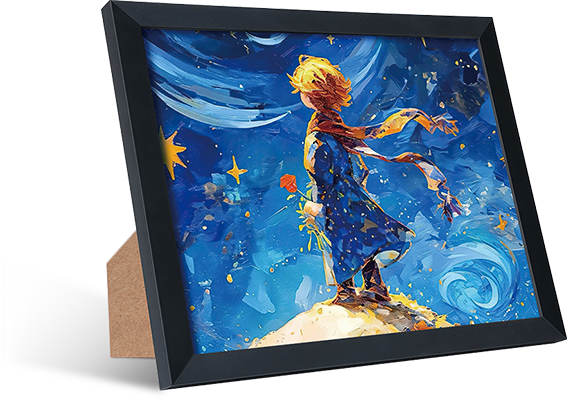
PVC Picture Frame
Sold by brand JinHuan
-
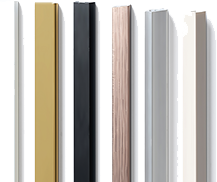
PVC Moulding
Sold by brand JinHuan
-
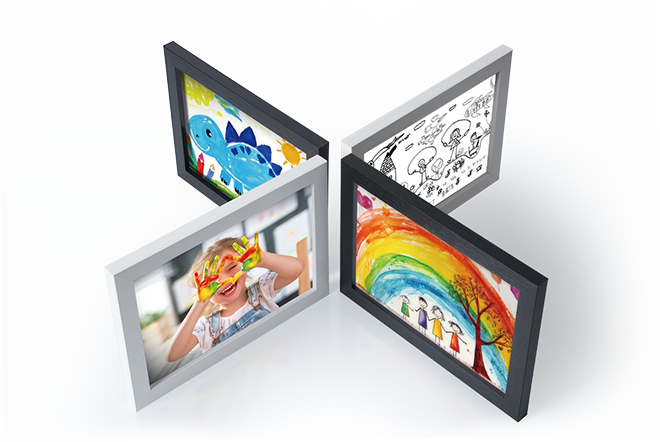
MDF Picture Frame
Sold by brand JinHuan
-
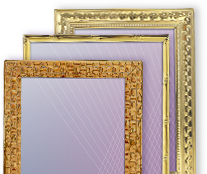
Iron Photo Frame
Sold by brand JinHuan
-
Plastic Injection Frame
Sold by brand JinHuan

-
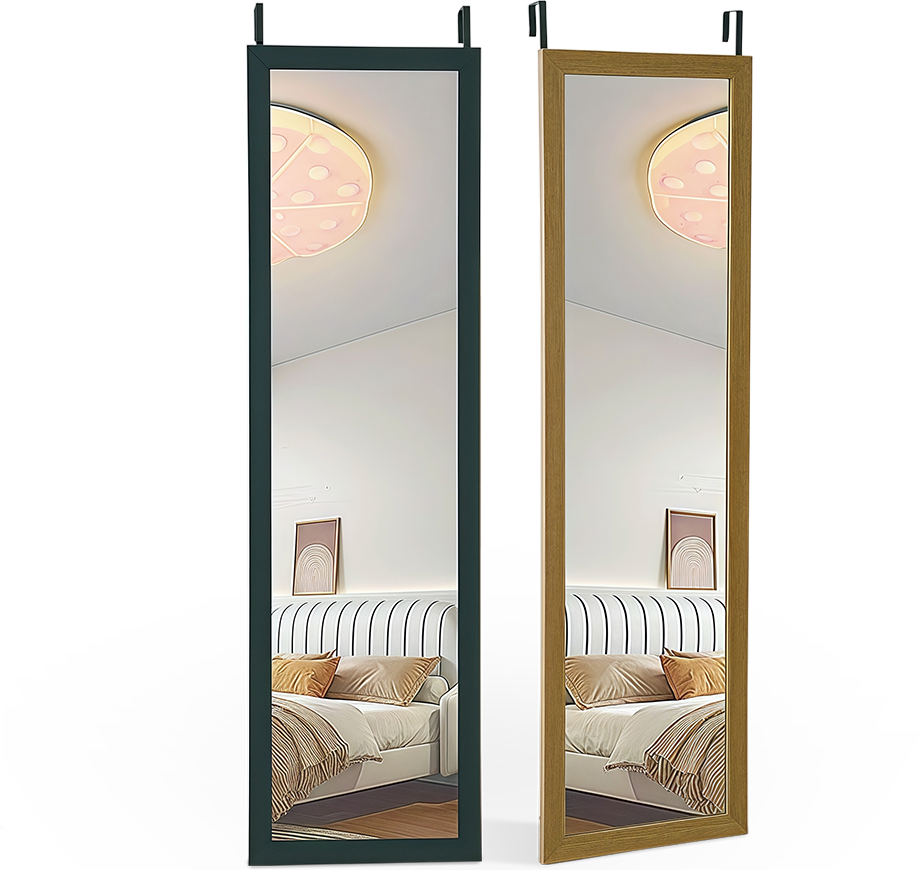
Mirror
Sold by brand JinHuan
-
Glass Picture Frame
Sold by brand JinHuan

-
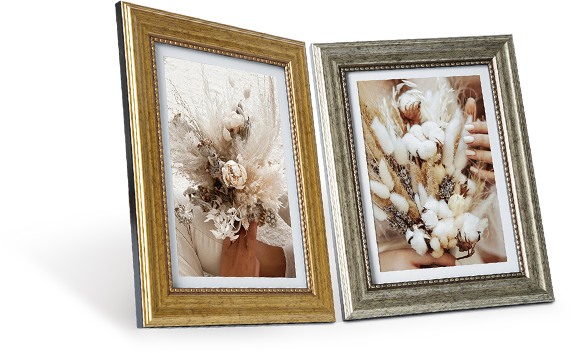
PS Picture Frame
Sold by brand JinHuan
-
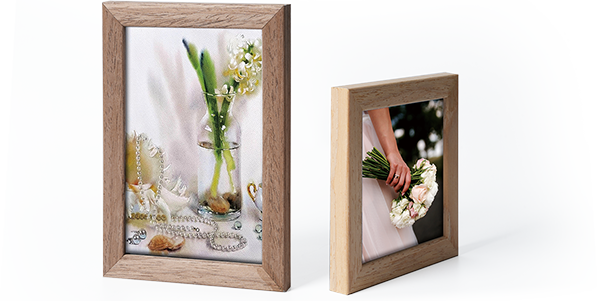
Solid Wood Picture Frame
Sold by brand JinHuan
-
Aluminum Alloy Picture Frame.
Sold by brand JinHuan

Visual Effects That Make a Glass Photo Frame Appealing

Jinhuan's professional manufacturing solutions empower your premium product production.
A glass photo frame is more than a protective cover for a photograph; it is a decorative object that enhances the presentation of an image. The visual effects created by the glass, frame design, and finishing details contribute to the overall appeal. These effects influence how the viewer perceives the photograph, the surrounding environment, and the style of the display.

Transparency and Clarity of the Glass
The primary visual feature of a glass photo frame is the clarity and transparency of the glass itself. Clear glass allows the photograph to be viewed without distortion, preserving colors, contrast, and detail. High-quality glass minimizes reflections and glare, which helps the viewer focus on the image rather than the frame or surrounding environment.
Some glass frames incorporate optical coatings that reduce reflections or improve light transmission. This effect ensures that natural or artificial light does not interfere with the visibility of the photograph. Additionally, the thickness of the glass can subtly affect perception. Thicker glass may create a sense of depth, while thinner glass emphasizes delicacy and minimalism. The choice of glass transparency and clarity contributes to how the image is framed in the viewer’s perception.
Edge Finishing and Surface Treatments
Another visual effect that contributes to the appeal of a glass photo frame is the treatment of the edges and surfaces. Polished edges create smooth lines that catch light in subtle ways, adding a refined appearance. Beveled edges introduce angled surfaces that refract light, producing highlights and gentle reflections around the photograph. This effect can make the frame appear more three-dimensional and add visual interest without overpowering the image.
Frosted or etched glass surfaces offer a contrasting texture that softens the frame’s appearance. Frosting can be applied to edges, corners, or patterns across the glass, producing diffused light effects and a sense of layering. Etched designs, such as simple patterns or abstract motifs, can complement the photograph and draw attention to its central area. These surface treatments create subtle variations in light and shadow that enhance the overall visual experience.
Framing Style and Color Integration
The frame surrounding the glass significantly affects visual appeal. Minimalist frames, often in black, white, or neutral tones, provide a clean border that emphasizes the photograph without distraction. Contrasting or metallic-colored frames can create a visual boundary that draws the eye toward the image, enhancing its prominence.
Some glass frames use floating designs, where the photograph appears suspended between two panes of glass. This effect creates the illusion of depth and separation from the background wall, giving the photograph a modern and elegant presentation. Multi-layered frames, combining colored glass or overlays, can introduce subtle color reflections and highlight specific tones in the photograph. The integration of color and style in the frame enhances the harmony between the image and its display environment.
Light Interaction and Reflection Effects
Light interaction is a key factor that influences the attractiveness of a glass photo frame. The transparency, surface treatment, and frame design determine how light is reflected or refracted. Smooth glass surfaces can produce clear reflections of the surroundings, which may add context or depth to the display. Beveled or angled edges can split light, creating small highlights that change depending on the viewing angle.
Frames that allow backlighting or incorporate indirect lighting can enhance the photograph’s visual impact. Soft illumination from behind the glass can emphasize colors, shadows, and details in the image, creating a more dynamic presentation. Similarly, the positioning of a frame in relation to natural or artificial light affects how reflections and shadows appear, contributing to the overall visual interest. These effects allow viewers to experience the photograph differently depending on perspective and lighting conditions.
Your email address will not be published. Required fields are marked *
China Picture Frames Online Factory
Copyright © JinHuan Art & Craft Products Co., Ltd. All Rights Reserved.
