

 English
 Español
 日本語
日本語 عربى
عربى русский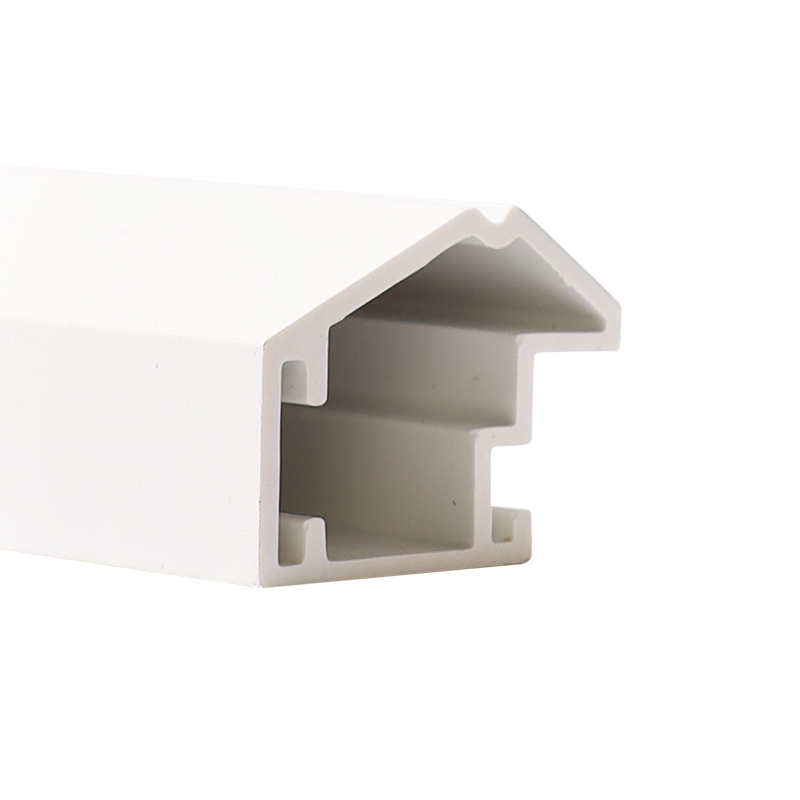
Founded In
-
PVC Picture Frame
Sold by brand JinHuan
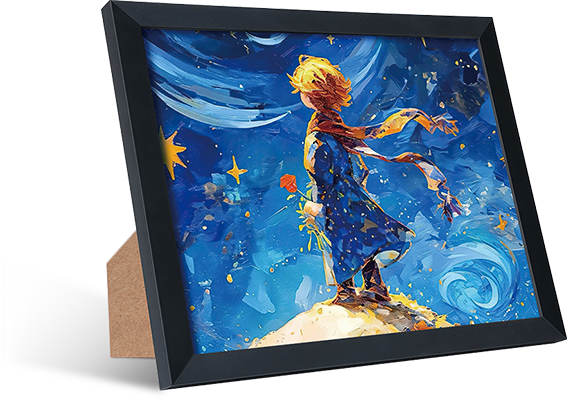
-
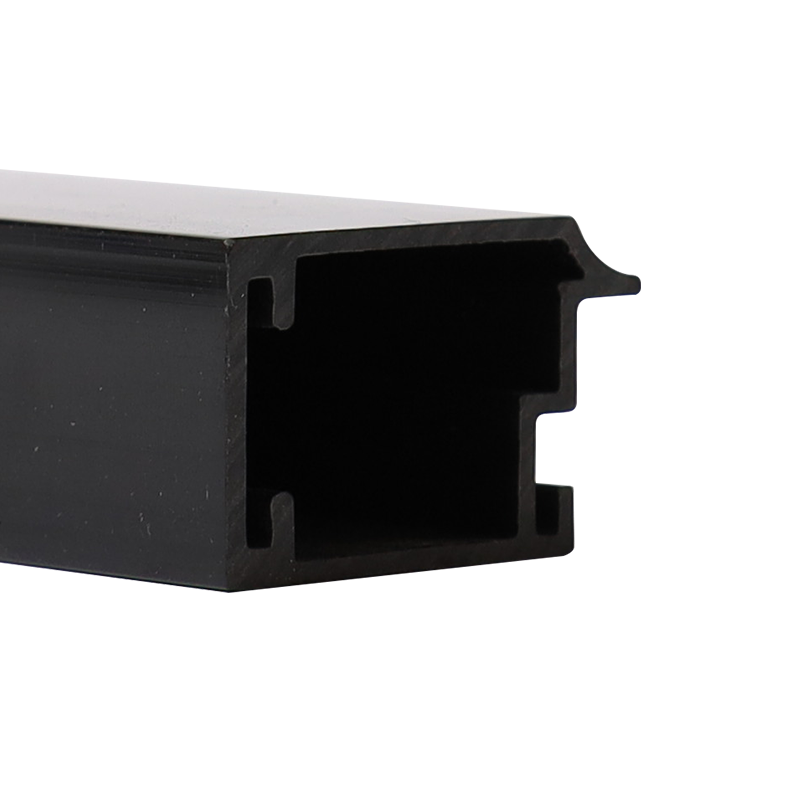
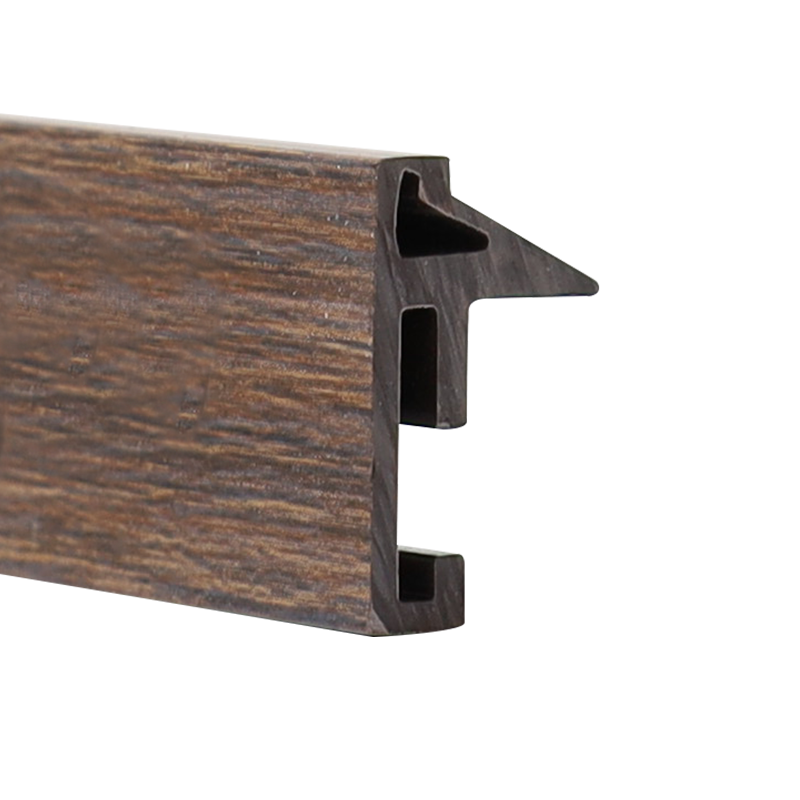
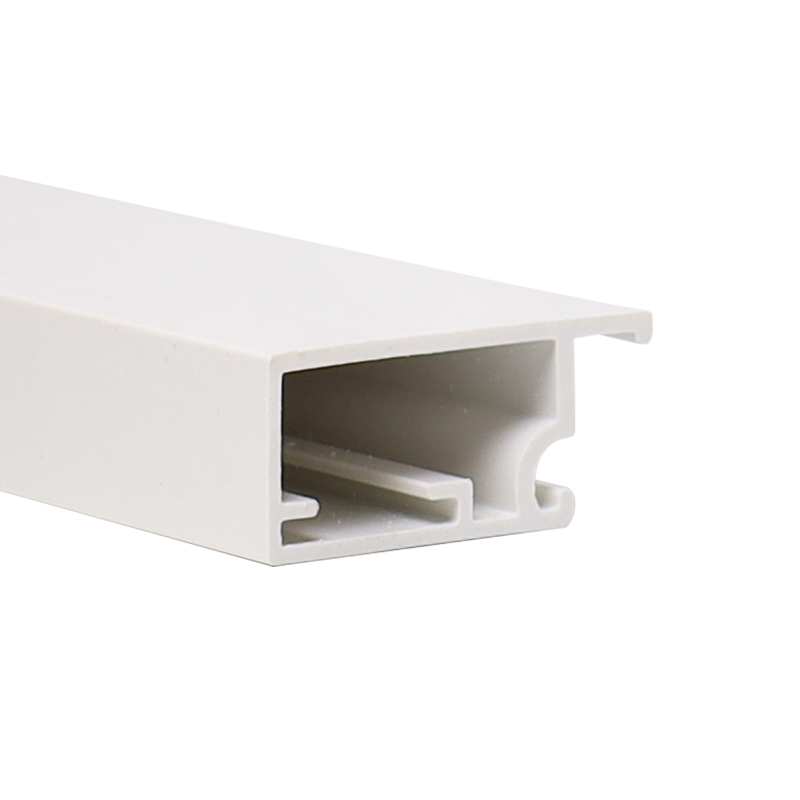
PVC Moulding
Sold by brand JinHuan
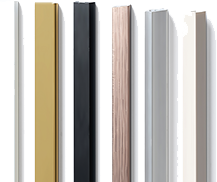
-
MDF Picture Frame
Sold by brand JinHuan
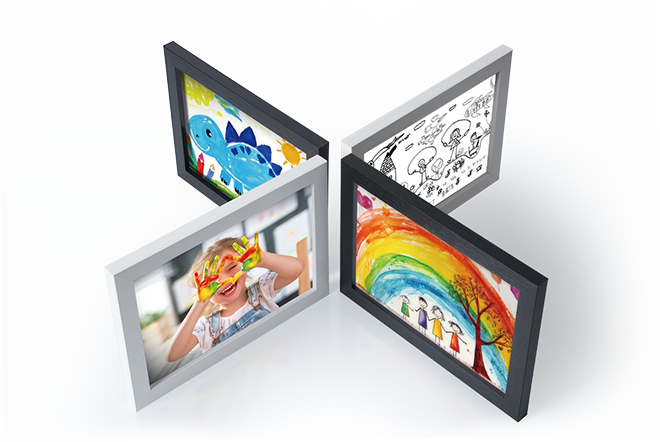
-
Iron Photo Frame
Sold by brand JinHuan
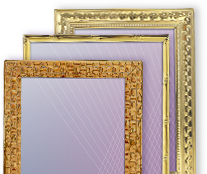
-
Plastic Injection Frame
Sold by brand JinHuan
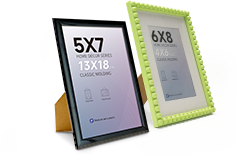
-
Mirror
Sold by brand JinHuan
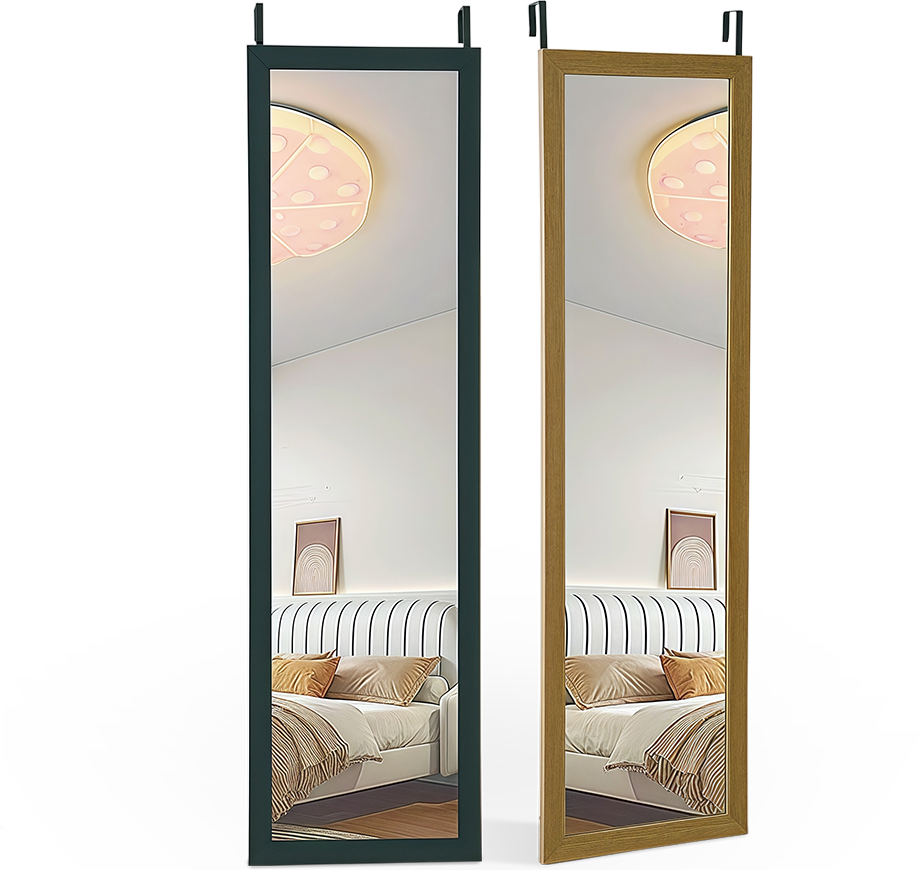
-
Glass Picture Frame
Sold by brand JinHuan
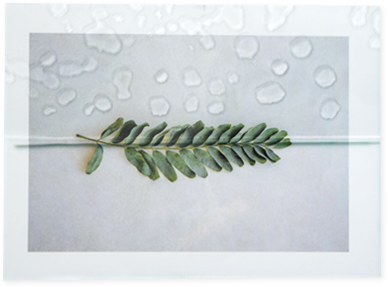
-
PS Picture Frame
Sold by brand JinHuan
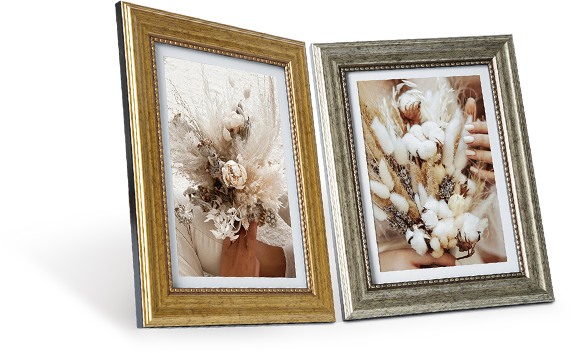
-
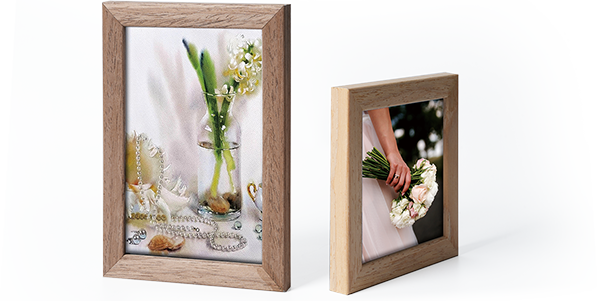
Solid Wood Picture Frame
Sold by brand JinHuan
-
Aluminum Alloy Picture Frame.
Sold by brand JinHuan
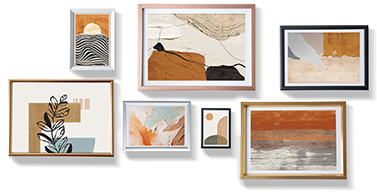
PVC Picture Frame Moulding Company
PVC moulding has become an essential element in modern construction and interior design. Known for its functionality, lightweight structure, and smooth finish, PVC moulding is used in both residential and commercial settings to enhance the appearance of walls, ceilings, doors, and windows.
Product Features and Advantages
One of the most significant benefits of PVC moulding is its resistance to moisture, making it suitable for use in kitchens, bathrooms, and basements where humidity levels tend to be higher. Unlike wood trim, PVC moulding does not absorb water, swell, or rot. This ensures long-lasting performance without the need for frequent maintenance.
PVC moulding is also insect-resistant and does not support mould or mildew growth. This makes it a hygienic choice for any indoor environment. Its smooth, paintable surface allows for easy customisation to match any interior décor. Whether painted or left white, PVC moulding maintains a clean and elegant look over time.
Another advantage of PVC moulding is its ease of installation. It can be cut, shaped, and nailed using standard woodworking tools. Since it is lighter than wood or MDF, handling and transporting PVC moulding is more convenient, reducing labour time and cost.
Types and Classifications
PVC moulding comes in a wide variety of profiles and categories to suit different architectural styles and functions:
Baseboard Moulding: Used at the joint between the wall and the floor, providing a finished look and protecting walls from damage.
Crown Moulding: Installed along the top edge where walls meet the ceiling, crown moulding adds a refined touch to any room.
Chair Rail Moulding: Positioned horizontally on the wall, typically about a third of the way up from the floor, this moulding protects walls from chair backs and adds visual interest.
Casing Moulding: Used around windows and doors, casing moulding frames these openings and enhances their appearance.
Corner Moulding: Applied to corners to create a neat transition and protect edges from impact.
Each type of PVC moulding is designed to serve a specific purpose, allowing designers and homeowners to combine functionality with style. These mouldings are available in different sizes and finishes to suit traditional and contemporary interiors.
Applications and Use Cases
PVC moulding is ideal for both new construction and renovation projects. It is commonly used in living rooms, hallways, kitchens, bathrooms, and utility spaces. Thanks to its durability and low maintenance requirements, PVC moulding is also popular in commercial spaces such as offices, hotels, and healthcare facilities.
PVC moulding offers a reliable, practical, and aesthetically pleasing solution for a wide range of interior trim applications. With its moisture resistance, durability, and ease of use, PVC moulding provides a long-term value that outperforms many traditional materials. Available in various styles and sizes, PVC moulding helps achieve a polished finish in any space.
For these options, you don’t need to replace all of them—just select the individual item you require.
Profile
Distribution
Production
Distribution
Learn more
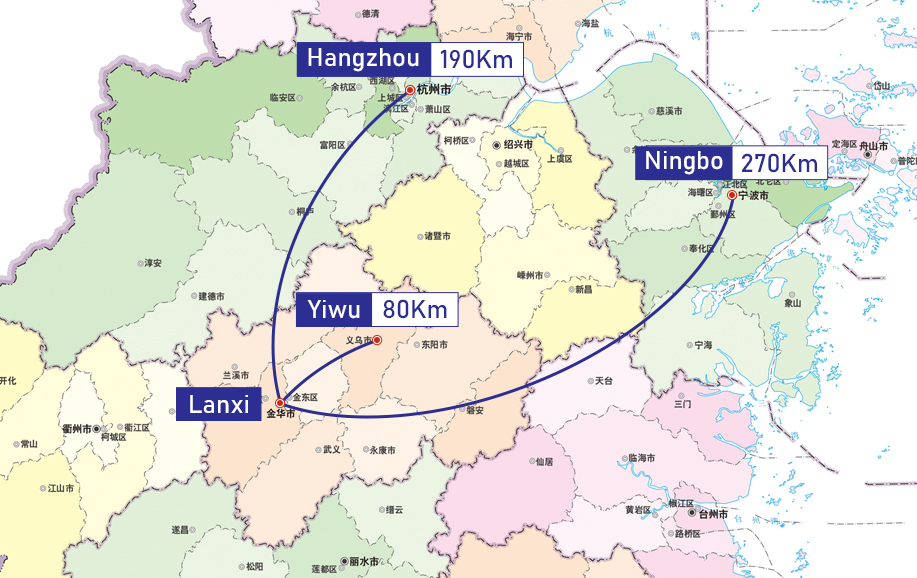
Our products are exported to 20+ countries and regions worldwide, including the U.S., U.K., France, and other European and American markets, as well as Japan, South Korea, Southeast Asia, the Middle East, and Africa.
Production
Learn more
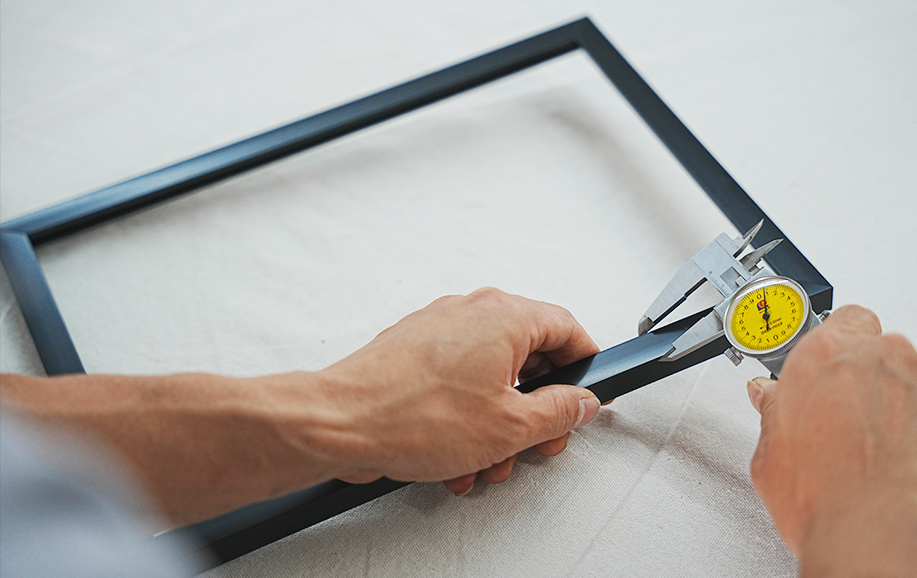
Equipped with advanced machinery and refined production processes, we maintain a strict quality control system that oversees every stage, from raw material procurement to manufacturing and final inspection, ensuring precise dimensions, impeccable craftsmanship, and lasting durability.
-
 0Year
0Year -
 0㎡
0㎡Building Area
-
 0+
0+Production Device
-
 0+
0+Employees
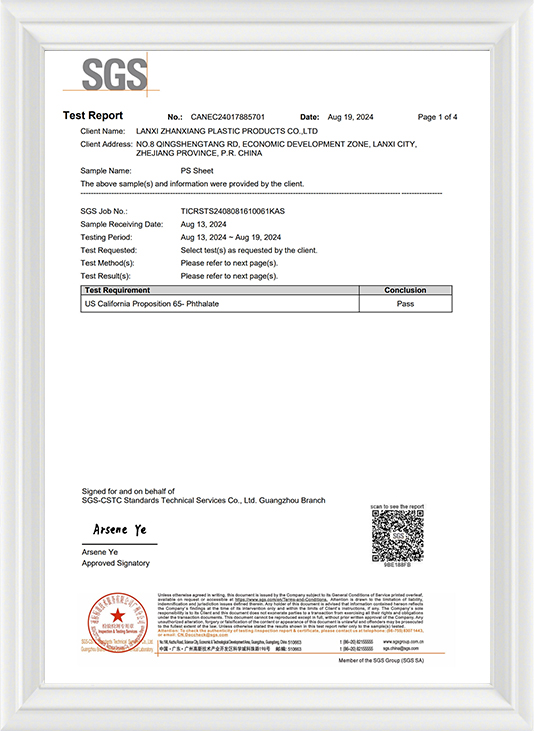
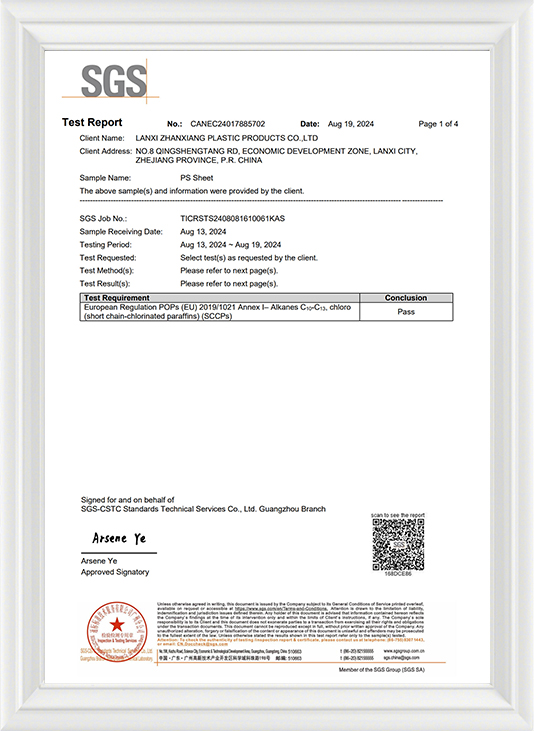
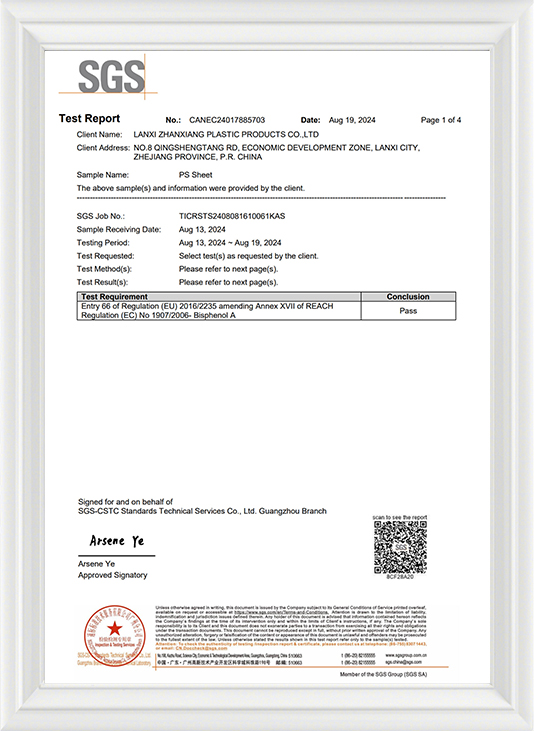
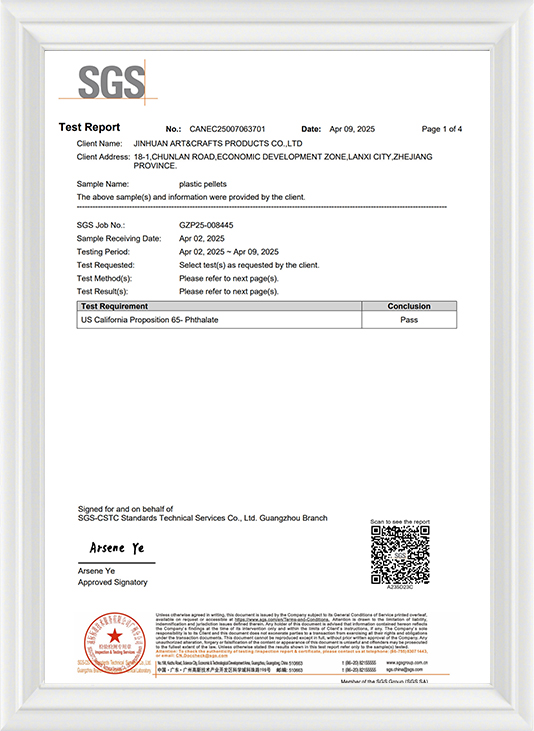
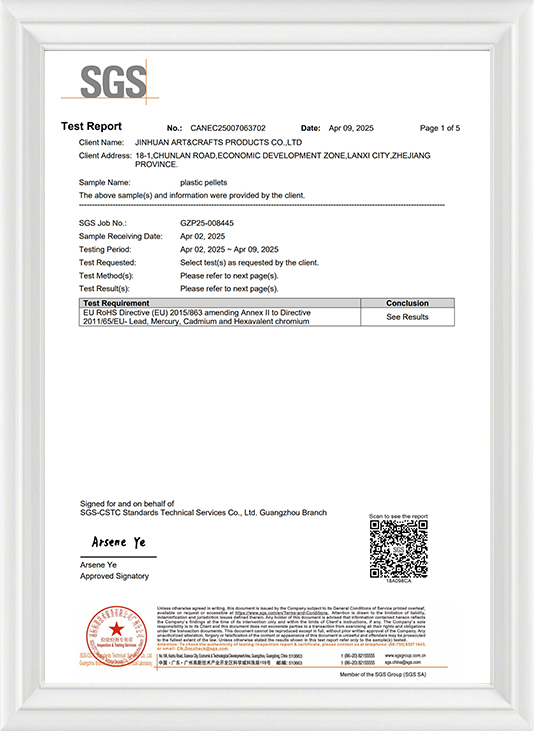
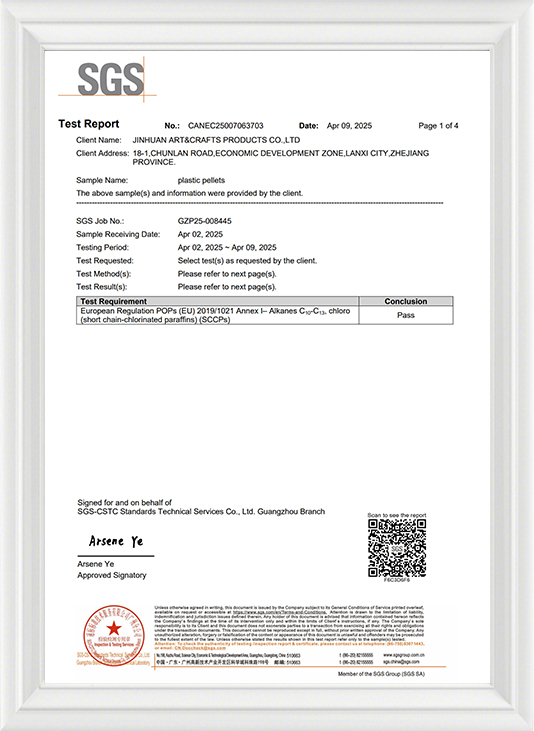
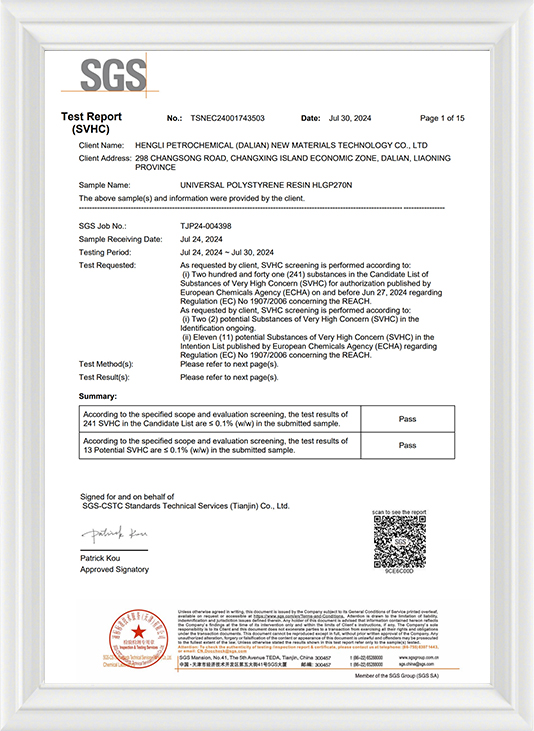
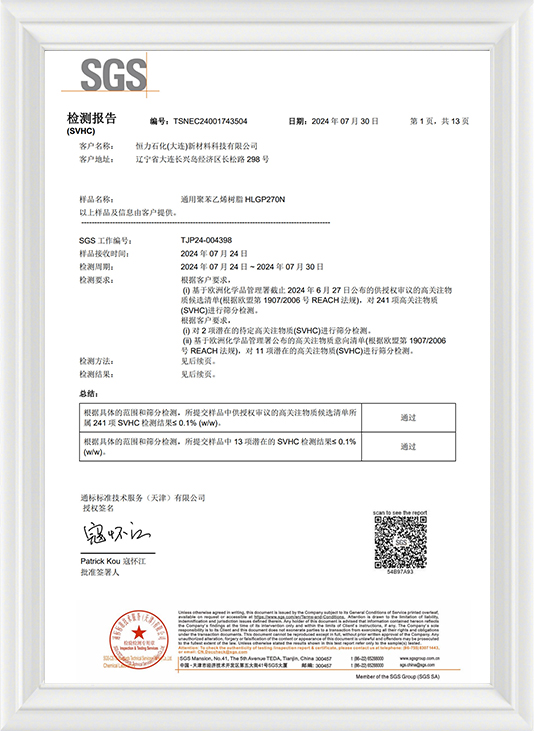
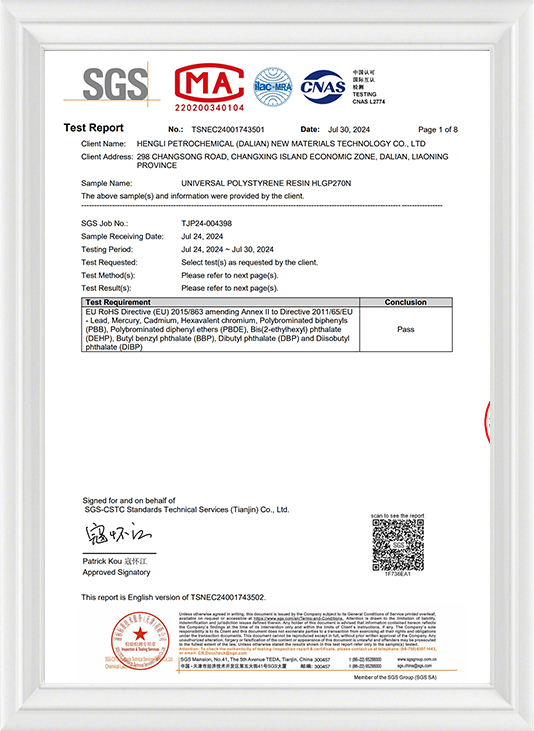
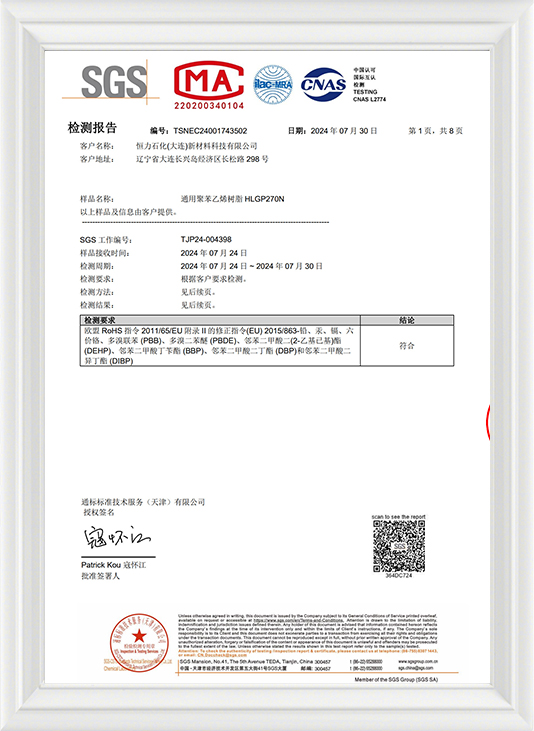
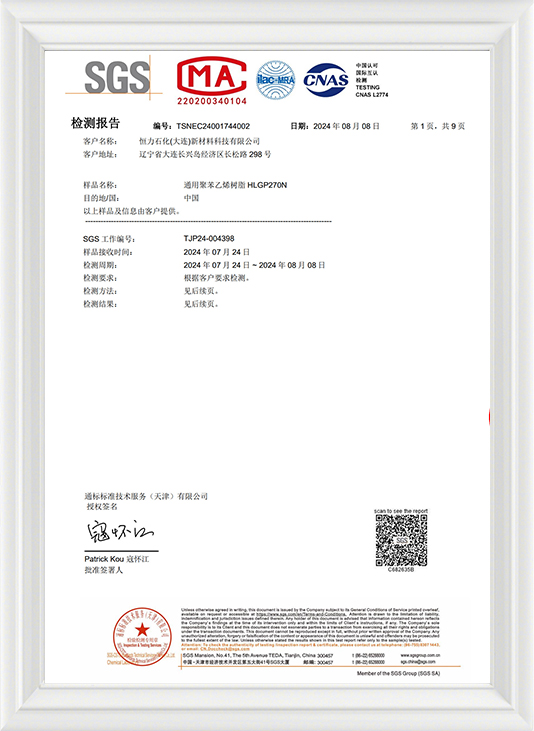
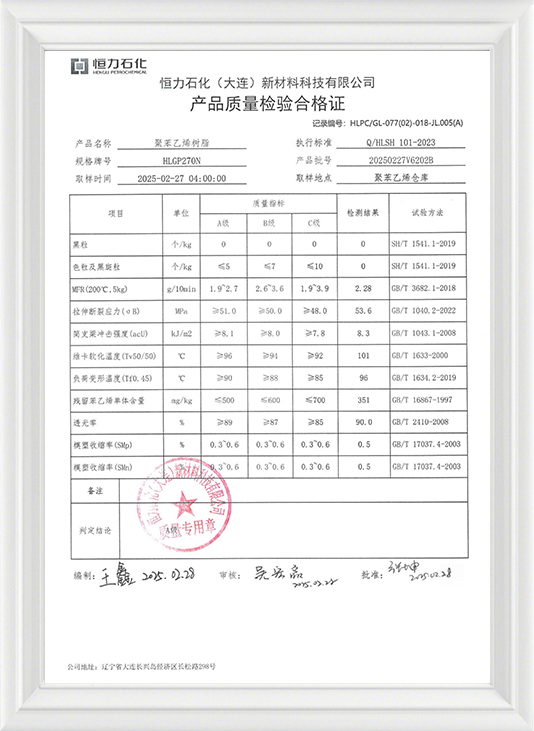
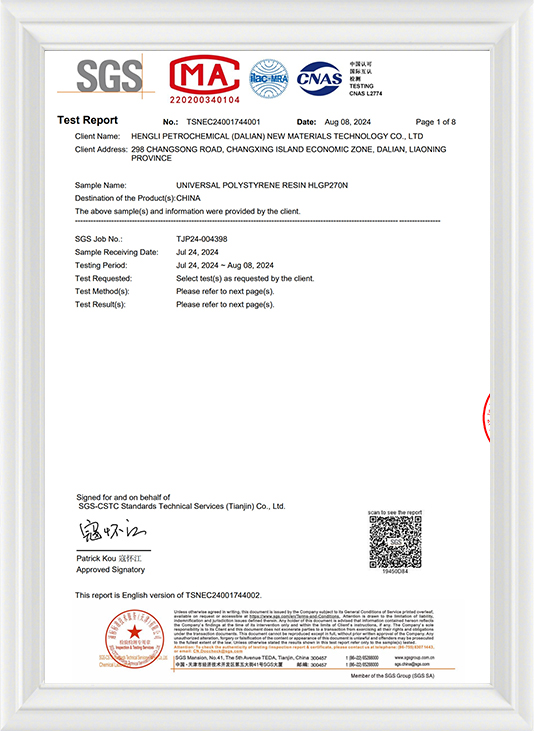
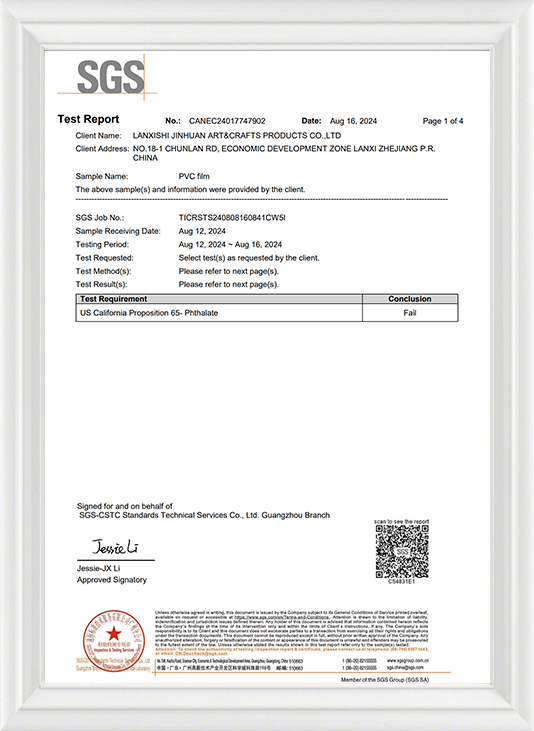
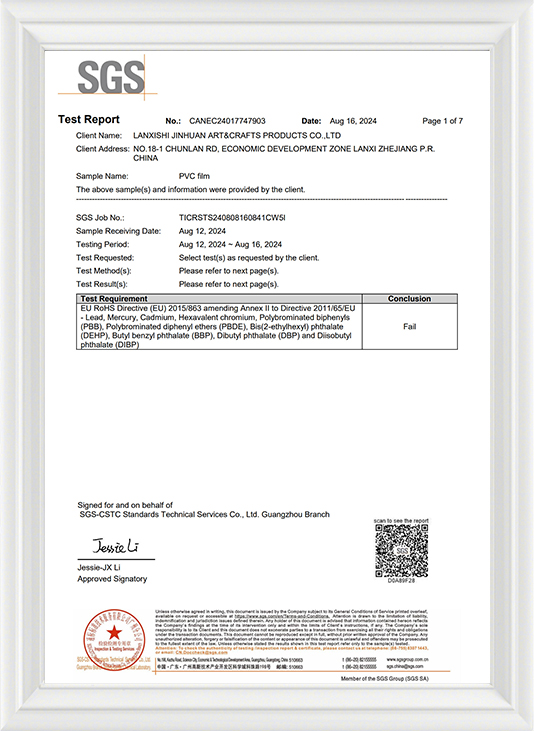
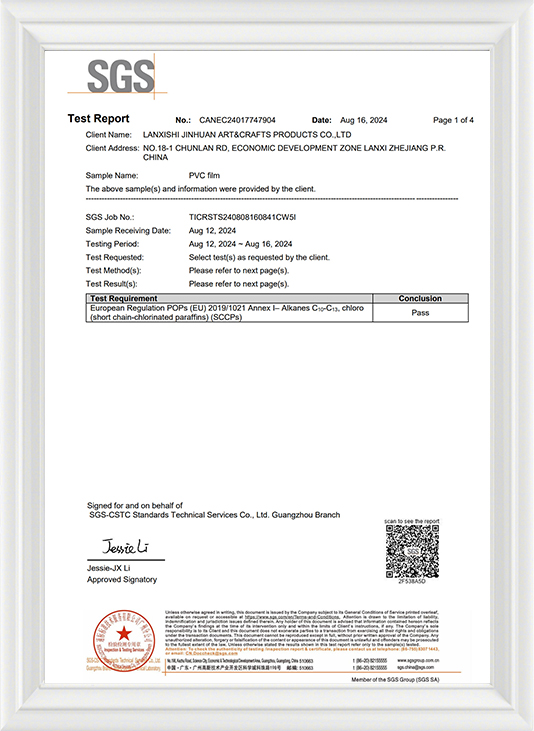
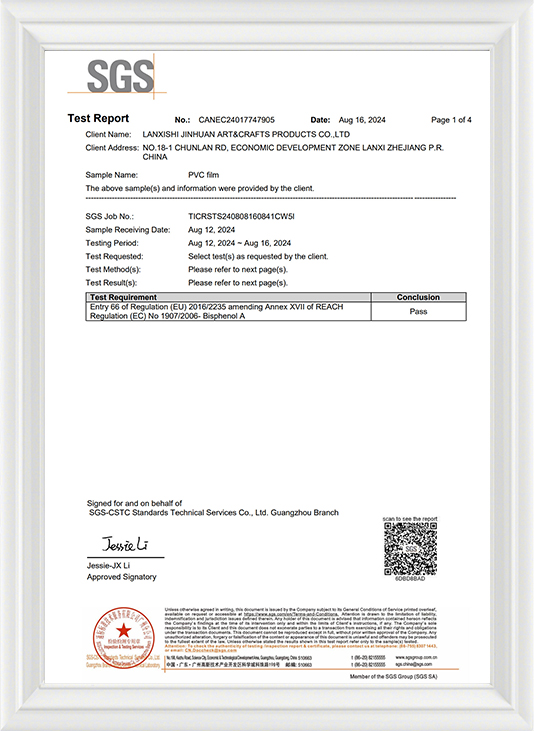
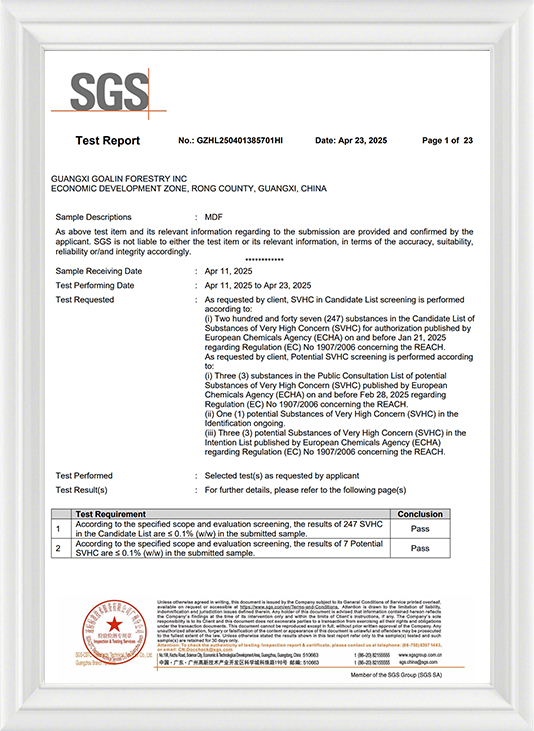
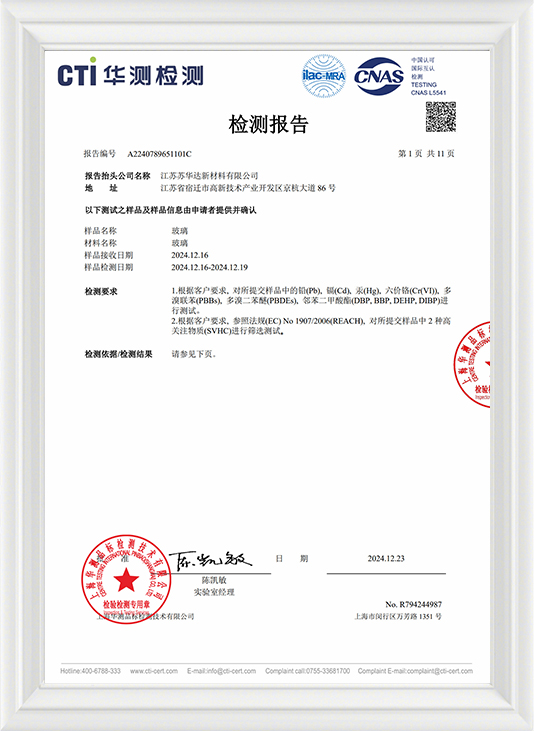
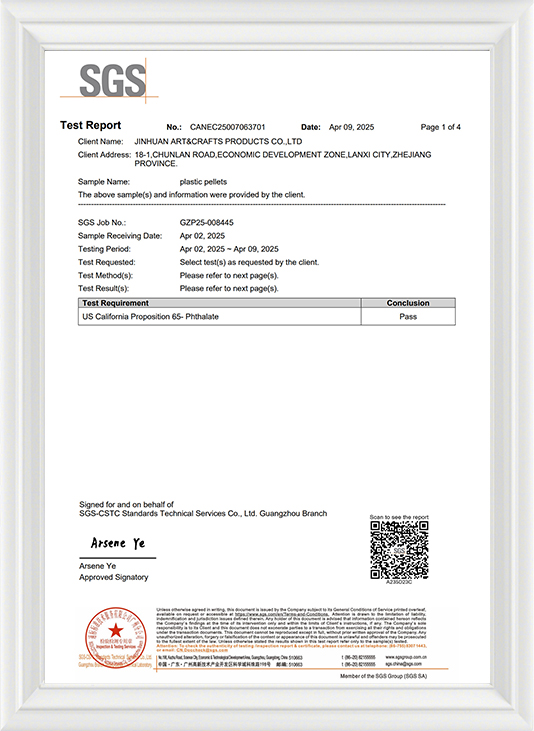
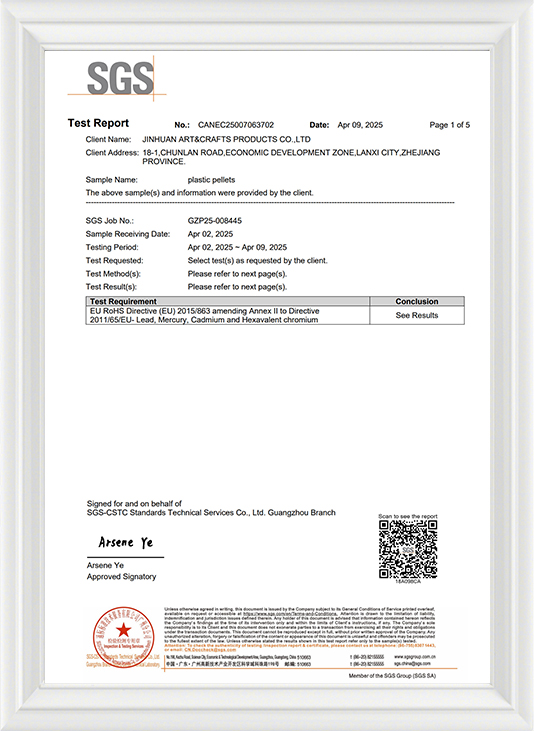
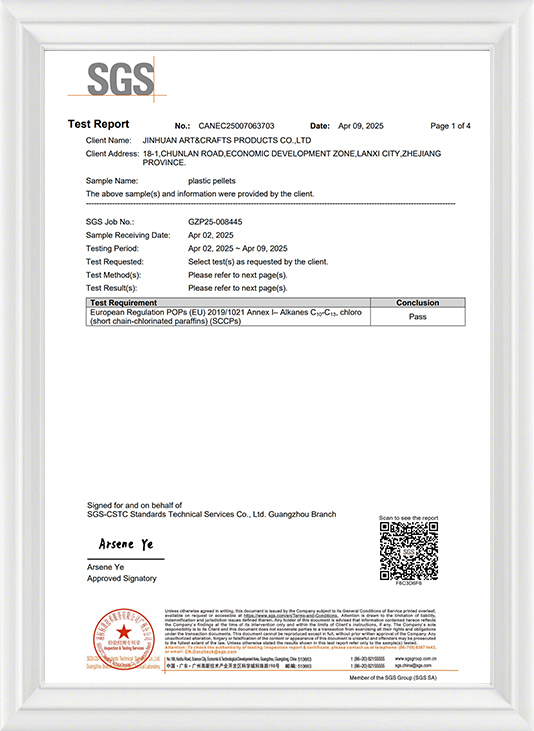
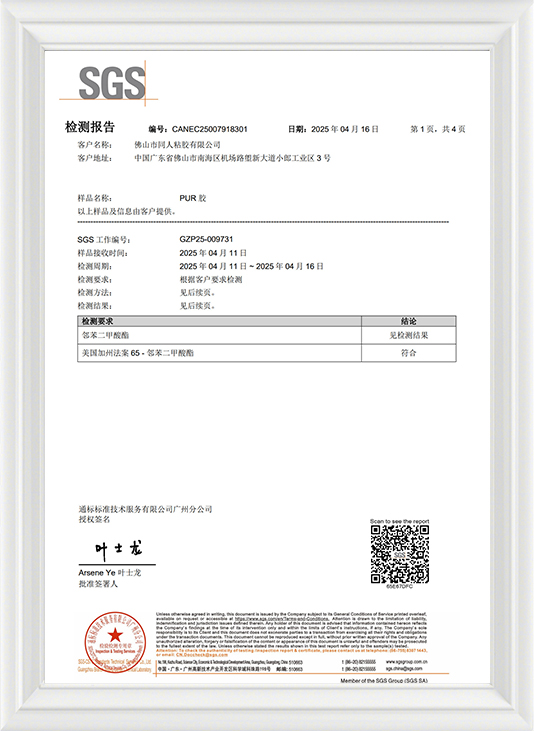
Our Certifications
Standards and certifications are important means of demonstrating product quality and social responsibility. Obtaining these certifications encourages sustainable and ethical production methods and builds trust in a company with partners and customers.
News & Stories
PVC Picture Moulding Wholesale
Copyright © JinHuan Art & Craft Products Co., Ltd. All Rights Reserved.
